

Introduction
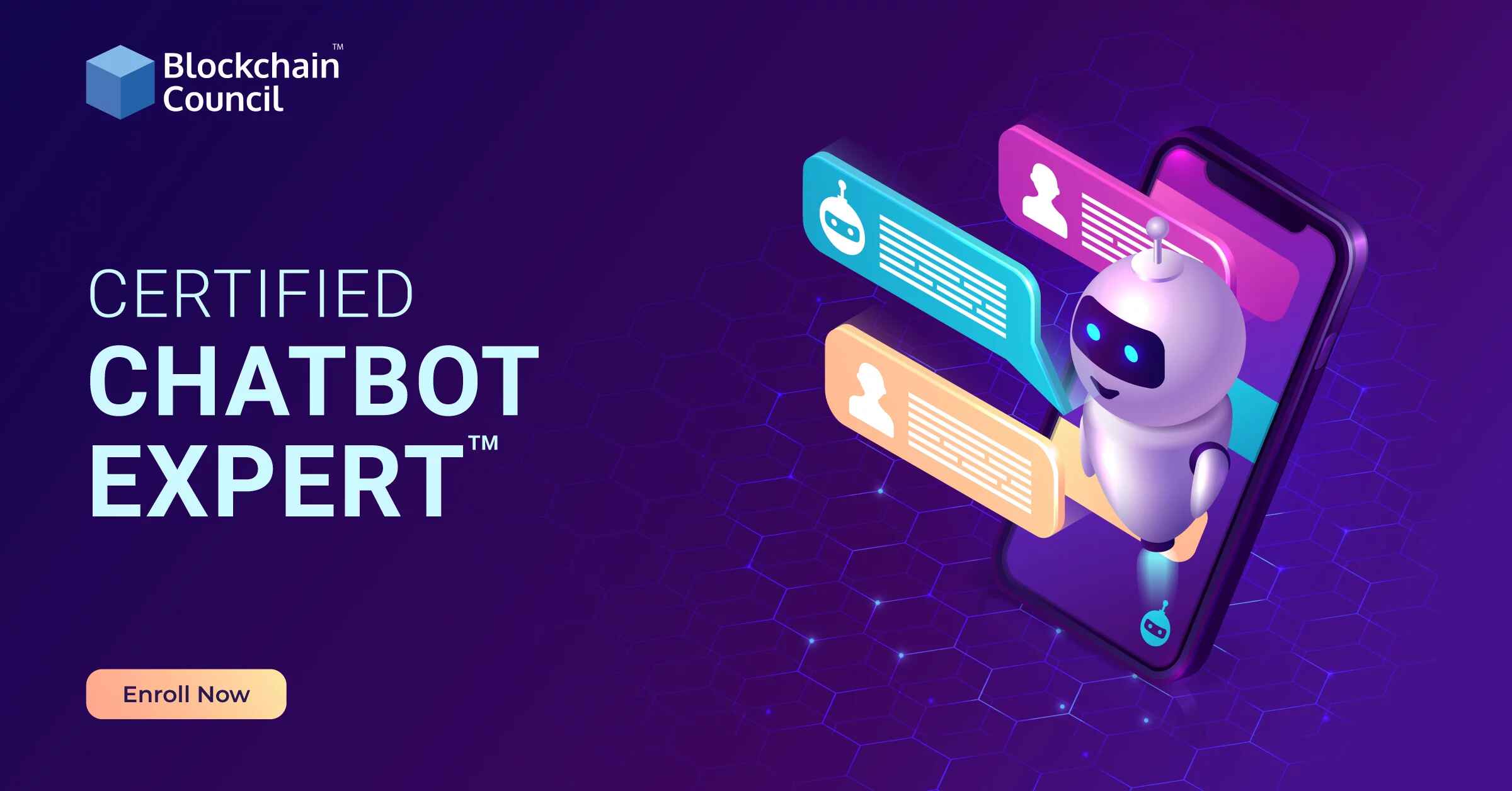
The Certified Chatbot Expert™ program aims to teach learners the fundamentals and practical skills needed to design, build, and implement chatbots. This review examines what the program promises, what you can reasonably expect to receive, and whether the certification delivers tangible value for learners at different stages of their careers.
Brief Overview
Product name: Certified Chatbot Expert
Manufacturer / Provider: Not specified in the provided product data — the program appears to be a professional training/certification course typically offered by online learning platforms, training companies, or industry organizations.
Product category: Online training / professional certification
Intended use: To provide learners with a comprehensive understanding of chatbot concepts, including design, components, and implementation, enabling them to design conversational agents, select appropriate technologies, and deploy or integrate chatbots into applications or workflows.
Appearance, Materials, and Aesthetic
As a training program rather than a physical product, “appearance” refers to the learning environment and materials. The product description does not list the exact format, so the following reflects typical course elements you should expect or look for when evaluating this program:
- Learning platform UI: Most modern programs use an online dashboard with modules, progress tracking, and a responsive design suitable for desktop and mobile.
- Core materials: Video lessons, slide decks or PDFs, code samples, and step‑by‑step walkthroughs for building bots are commonly included.
- Hands‑on assets: Expect sample projects, datasets, or sandboxes for testing bots if the program claims practical implementation training.
- Assessments and certification artifacts: Quizzes, final assessments, and a downloadable or verifiable certificate upon successful completion.
- Aesthetic: Professional and instructional — clean layouts, clear navigation, and readable formatting are what you should look for; however, quality varies by provider.
Key Features & Specifications
Based on the program description (“comprehensive understanding of chatbots, covering their design, components, and implementation”), the key features typically associated with this type of certification include:
- Foundational theory: Natural language processing (NLP) basics, conversational design principles, and chatbot architectures.
- Component coverage: Intent recognition, entity extraction, dialog management, integrations, and platform-specific considerations.
- Practical implementation: Step‑by‑step exercises or labs for building and deploying chatbots to common platforms (web, messaging apps, or voice assistants).
- Tools and frameworks: Overview or hands‑on work with industry tools (e.g., Rasa, Dialogflow, Microsoft Bot Framework) — may vary by provider.
- Assessment & certification: Tests or project reviews that validate learning outcomes and grant a certificate labeled “Certified Chatbot Expert”.
- Recommended prerequisites: Often none for introductory tracks, but some programs expect basic programming knowledge (Python/JavaScript) for hands‑on labs.
- Support & community: Instructor Q&A, discussion forums, or mentoring (availability depends on delivery model).
Experience Using the Program (Practical Scenarios)
Without provider‑specific details, the evaluation below is a realistic assessment of how a program of this scope typically performs in different learning scenarios.
Scenario: Absolute Beginner (no chatbot background)
Strengths: A well‑structured program that emphasizes fundamentals can quickly bring beginners up to speed on terminology, design thinking, and the high‑level flow of conversational systems. Video lessons and friendly examples help reduce the initial learning curve.
Potential frustrations: If the program includes code labs without gradual, clear explanations or lacks basic programming tutorials, absolute beginners may struggle. Check for labeled beginner tracks or prerequisites.
Scenario: Developer with some ML/NLP experience
Strengths: The program’s focus on components and implementation should help developers make better architectural choices and speed up practical prototyping. Hands‑on labs and integration examples are the most valuable parts here.
Potential frustrations: If the program stays too theoretical or only demonstrates walled‑garden, provider‑specific tooling without generalizable patterns, experienced developers may find limited new insight.
Scenario: Product Manager / Non‑technical Stakeholder
Strengths: Emphasis on conversational design and deployment considerations helps PMs understand trade‑offs, KPIs, and user experience impacts. The certification can lend credibility when discussing roadmap items or vendor evaluations.
Potential frustrations: Too many code examples or deep technical dives can overwhelm non‑technical learners unless a dedicated non‑technical track or summary materials are provided.
Scenario: Team training / Corporate upskilling
Strengths: Standardized curricula are useful to align teams around best practices and to create a common vocabulary for chatbot projects. Projects or capstones that mimic real business use cases are especially helpful.
Potential frustrations: Lack of customizability (e.g., industry‑specific scenarios) or absence of hands‑on lab infrastructure can reduce practical ROI for teams that require integration with internal systems.
Pros
- Focused scope: Covers design, components, and implementation — a well‑rounded curriculum for foundational to intermediate knowledge.
- Career relevance: Chatbot skills are in demand across support automation, conversational commerce, and virtual assistants, making the certification potentially valuable for career transitions or role enhancement.
- Structured learning: Certifications provide a roadmap and milestones, helping learners progress in an organized way.
- Potential practical emphasis: If the program includes labs and deployment walkthroughs, learners get hands‑on experience that translates to real projects.
- Credibility: A named certification can be a differentiator on resumes and LinkedIn profiles (especially if the issuing organization is respected).
Cons
- Provider variability: Because the provider is not specified, course quality, depth, and support can vary widely; not all “Certified Chatbot Expert” programs are equal.
- Possible lack of depth: Broad coverage may lead to shallow treatment of complex topics like advanced NLP, production monitoring, or scalable dialog management unless the program explicitly lists advanced modules.
- Hands‑on requirements: If you lack prerequisite programming knowledge, parts of the implementation sections may be difficult without additional resources.
- Market recognition: The value of any certification depends on employer recognition; a certificate from a lesser‑known provider may carry limited weight.
- Cost vs. return: Without pricing and accreditation details, it’s hard to judge ROI — free or low‑cost resources could teach similar fundamentals if the program adds little practical value.
Who Should Consider This Program?
- Beginners who want a guided introduction to chatbots and conversational design.
- Developers seeking to formalize their knowledge and learn deployment patterns for chatbots.
- Product managers and UX designers who need a practical understanding of chatbot capabilities and limitations.
- Teams looking for a shared curriculum to standardize practices around conversational AI.
Recommendations Before You Buy
- Verify the provider: Check who issues the certification and their reputation in the industry.
- Inspect the syllabus: Look for detailed module lists, hands‑on labs, and examples of final projects or capstones.
- Check prerequisites and support: Ensure the course matches your skill level and offers mentorship/support channels.
- Ask about certification validation: Is the certificate verifiable (digital badges, LinkedIn integration) and recognized?
- Compare alternatives: Free tutorials, university microcredentials, and vendor certifications (e.g., platform‑specific) may provide similar value at different price points.
Conclusion
The Certified Chatbot Expert program, as described, targets the right areas—design, components, and implementation—that anyone building chatbots should know. The concept is strong: a structured, comprehensive curriculum can accelerate learning and provide useful credentials. However, the program’s real value hinges on the quality of the provider, depth of hands‑on content, and recognition of the certification in the job market.
If the provider offers detailed, practical labs, clear learning outcomes, and verifiable certification, this program is likely worth the investment for beginners, developers moving into conversational AI, and teams seeking standardized training. If, on the other hand, the course is mostly theoretical, lacks practical exercises, or comes from an unrecognized issuer, the certification may offer limited tangible benefit beyond basic knowledge.
Final verdict: Potentially valuable — but do your due diligence on the provider, syllabus depth, and hands‑on components before enrolling.
Leave a Reply