
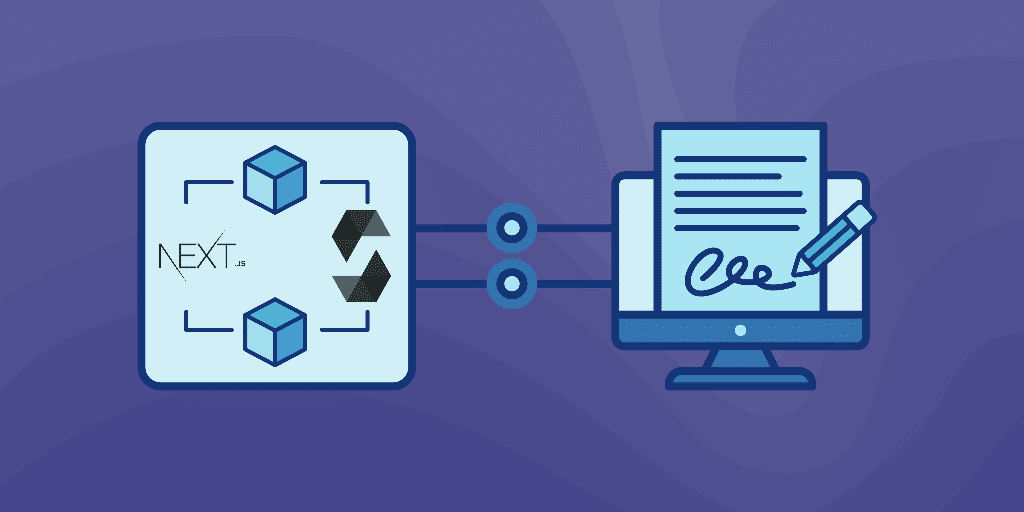

AI-Powered Ethereum Development Course Review: Solidity & Next.js
Introduction
This review covers “Ethereum Blockchain Development with Solidity and Next.js – AI-Powered Course” — an online course that promises to teach blockchain development with a focus on Solidity smart contracts, Ethereum dApps, Web3 integration, and Next.js for front-end/full-stack development. The aim of this review is to give potential learners an objective, practical appraisal of what to expect, how the course appears to be structured and delivered, and how it performs for different types of users.
Product Overview
Product title: Ethereum Blockchain Development with Solidity and Next.js – AI-Powered Course
Manufacturer / Provider: Not specified in the provided product data. The course title suggests it is offered by a platform or instructor that integrates AI tools into the learning experience, but the specific vendor, instructor credentials, or hosting platform are not listed.
Product category: Educational / Technical Online Course (Blockchain & Web Development).
Intended use: To teach developers (or aspiring developers) how to design and implement Ethereum-based decentralized applications (dApps) using Solidity for smart contracts and Next.js for the front-end, with additional focus on Web3 integration and AI-augmented learning or tools.
Appearance, Materials, and Aesthetic
As a digital product, “appearance” relates to the user interface, learning materials, and presentation style rather than physical attributes. The provided product description does not include screenshots or detailed UI notes, so the following is an assessment of typical expectations for a modern AI-powered developer course:
- Course interface: Likely delivered through a web-based learning platform with video lectures, code editors/embedded terminals, downloadable resources (code samples, slides), and possibly interactive quizzes. The aesthetic is commonly minimal, developer-focused—dark or light code-friendly themes, clear typography, and a modular lesson layout.
- Materials: Expect video tutorials, step-by-step coding walkthroughs, GitHub repositories or downloadable starter projects, and possibly AI-powered assistants (chatbots, code-generation helpers) for debugging or generating boilerplate.
- Unique design elements: The “AI-Powered” label suggests integration of intelligent features such as personalized learning paths, automated feedback on exercises, or AI-assisted code suggestions. If present, these can accelerate learning but quality depends on how well the AI is implemented and how transparent its limitations are.
Key Features and Specifications
Based on the course title and description, the main features and likely specifications include:
- Core topics: Solidity smart contract development, Ethereum concepts (accounts, transactions, gas, testnets), dApp architecture.
- Front-end integration: Next.js for building server-side rendered or statically generated interfaces that interact with smart contracts.
- Web3 tooling: Use of Web3 libraries (ethers.js or web3.js), wallet integration (MetaMask), and RPC providers.
- Deployment & testing: Contracts testing using frameworks like Hardhat or Truffle, deployment to testnets/mainnet, and use of local blockchain simulators (Ganache or Hardhat Network).
- AI augmentation: Tools for code generation, debugging assistance, or personalized recommendations to speed up learning and development productivity.
- Hands-on projects: Building real dApps end-to-end — front-end, contract logic, and deployment — to practice end-to-end workflows.
- Resources: Example repositories, templates, and possibly certification of completion (not specified).
- Skill level: Likely targeted at beginner-to-intermediate developers with some JavaScript knowledge; prior experience with React/Node.js beneficial for Next.js portions.
Experience Using the Course (Various Scenarios)
1) Beginner with basic JavaScript knowledge
If you have a foundation in JavaScript but are new to blockchain and React/Next.js, this course can be a solid introduction. The combination of Solidity fundamentals and Next.js integration is practical: you learn contract logic and immediately see how the front-end interacts with it. The presence of AI-assisted guidance (if implemented well) can lower the barrier to entry by providing quick code suggestions and clarifying cryptic errors common in Solidity.
2) Experienced web developer (React/Next.js) new to blockchain
For developers familiar with Next.js and React, the course should accelerate onboarding to Web3 concepts. The main learning curve will be mastering blockchain-specific constraints (immutability, gas optimization, security patterns). Practical examples that show patterns for wallet integration, contract event handling, and contract upgrades will be most valuable. A polished course will provide best practices and patterns for bridging Next.js user experiences with on-chain logic.
3) Blockchain developer focusing on Solidity
If your focus is on Solidity and smart contract security, you may find the Next.js portions more of a complement than a core necessity. The course’s strength will be how deeply it covers testing, formal security considerations, and deployment strategies. Look for modules on test-driven development, coverage tools, and security audits. If these are shallow, you may need to supplement with specialized Solidity security resources.
4) Building and launching a dApp
End-to-end dApp development requires cohesive knowledge of contract design, front-end state management, and deployment pipelines. This course’s stated goal of enabling learners to “launch and scale dApps” suggests it includes deployment and scaling practices. Practical experience will depend on availability of CI/CD examples for smart contracts, instructions for using cloud services for the front-end, and guidance for interacting with Layer 2 solutions or indexing services (The Graph). If those topics are included, the course is particularly strong for real-world projects.
5) Team or production environment adoption
For teams, the course’s value is in standardizing knowledge across web and blockchain developers. Useful content for teams would include code organization patterns, contract upgrade strategies (proxy patterns), testing pipelines, and collaboration workflows with Git/GitHub. If the course emphasizes these practices, it can shorten onboarding for cross-functional teams; if not, teams may need additional training.
Pros and Cons
Pros
- Holistic coverage: Combines Solidity smart contract development with Next.js front-end, giving a full-stack perspective for dApp development.
- Practical focus: Emphasis on building and launching dApps helps bridge theory with real-world implementation.
- AI-powered features: Potentially accelerates learning and debugging by providing contextual assistance and personalized guidance.
- Relevant tooling: Likely covers modern Web3 libraries and deployment/testing frameworks commonly used in the Ethereum ecosystem.
- Appeals to a wide audience: Useful for both web developers new to blockchain and blockchain developers who want to ship UI/UX for dApps.
Cons
- Provider and curriculum details unspecified: Important specifics (duration, module breakdown, instructor expertise, price) are not provided, making it hard to evaluate depth and completeness.
- Quality of AI features varies: AI assistance is helpful only if well-integrated and accurate; poor or opaque AI outputs could mislead learners on security-critical topics.
- Scalability and production guidance may be limited: The phrase “scale dApps” is broad — truly comprehensive coverage of scaling (Layer 2s, indexing, back-end services) requires dedicated modules that may or may not be present.
- Prerequisite assumptions: Without clear prerequisites, beginners may underestimate the learning curve for Solidity and Ethereum economics (gas, fees, risk).
- No accreditation info: If certification matters, there’s no confirmation of recognized credentials or pathways to jobs.
Other Practical Considerations
- Technical requirements: Expect to need Node.js, a code editor (VS Code recommended), Git, MetaMask or another wallet, and familiarity with command-line tools.
- Time investment: Building competence in Solidity and secure dApp development typically requires several weeks of focused study and hands-on projects; don’t expect mastery from a short course alone.
- Supplementary learning: For security-critical topics, consult additional resources on smart contract auditing and formal verification where necessary.
Conclusion
Overall impression: “Ethereum Blockchain Development with Solidity and Next.js – AI-Powered Course” presents a promising and practical combination of smart contract development and front-end integration using Next.js. For learners who want an end-to-end path to building dApps, the course title and description hit the right marks: Solidity fundamentals, Web3 integration, and Next.js front-ends are the contemporary stack for many Ethereum projects.
Strengths include the integrated full-stack approach and potential time savings from AI-powered assistance. However, the lack of provider details, unclear scope for advanced production and scaling topics, and the variable quality of AI support are important caveats. Prospective buyers should look for more information on instructor credentials, a detailed syllabus, sample lessons, and student reviews before committing.
Recommendation: If you are a developer with basic JavaScript knowledge and you want to build and deploy dApps, this course is worth investigating further — request a syllabus, check for hands-on projects and testnet deployment examples, and confirm how the AI features are used. For learners focused primarily on advanced Solidity security or enterprise-level scaling, treat this as a solid practical foundation but plan to supplement with specialized resources.



Leave a Reply