
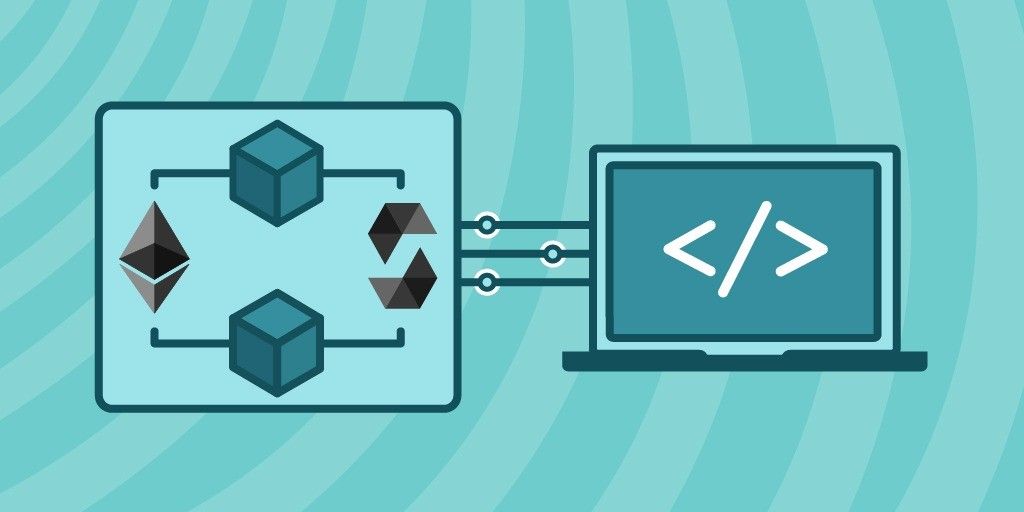

AI-Powered Course Review: Build a Blockchain from Scratch with Solidity & Ethereum
Introduction
This review covers “Building a Blockchain from Scratch Using Solidity and Ethereum – AI-Powered Course” (listed as “Learn Blockchain Development with Solidity” in product references). The course promises a practical, hands-on path into blockchain development: foundational concepts, cryptography, Ethereum fundamentals, smart contract development in Solidity, and how to set up and run a private blockchain. Below I provide an objective, detailed assessment to help potential buyers decide whether this course fits their needs.
Product Overview
Product title: Building a Blockchain from Scratch Using Solidity and Ethereum – AI-Powered Course
Product category: Online technical course / Developer training (Blockchain & Smart Contracts)
Manufacturer / Provider: Not specified in the provided product data — the course is described generically as “AI-powered” but the platform or instructor organization is not named in the supplied information.
Intended use: This course is intended for learners who want to:
learn the fundamentals of blockchain technology,
understand cryptographic primitives used in blockchains,
build and deploy smart contracts on Ethereum using Solidity,
and set up and run a private blockchain for testing or learning purposes.
Appearance, Materials & Aesthetic
As a digital product, the “appearance” should be interpreted as the course UI and the presentation of instructional materials. Based on the product description, you can expect the following kinds of materials (typical for modern developer courses):
- Video lessons with slides and live coding demonstrations.
- Readable notes or PDF slides summarizing concepts (cryptography, consensus, Ethereum internals).
- Code examples and exercises—likely provided as downloadable files or a GitHub repository.
- Interactive labs or guided walkthroughs for writing Solidity contracts and launching a private blockchain (Ganache, Hardhat, or Geth-based setups are typical).
- AI-powered learning aids — potentially including a code assistant, automated feedback on exercises, or adaptive lesson suggestions. (The specifics of the AI features are not provided in the product data.)
Overall aesthetic expectations: modern, developer-focused UI with emphasis on code readability, terminal/IDE screenshots, and step-by-step console outputs. Unique design elements likely stem from the “AI-powered” label (adaptive paths or in-lesson assistance), and from the hands-on build-from-scratch approach that emphasizes diagrams of block structure, Merkle trees, and transaction flow.
Key Features & Specifications
Based on the course title and description, the key features include:
- Blockchain fundamentals — architecture, data structures (blocks, chains, Merkle trees), node roles, and consensus overview.
- Cryptography essentials — hashing, public/private keys, digital signatures, and how they secure transactions.
- Ethereum & EVM concepts — account model, gas, transactions, and the Ethereum Virtual Machine.
- Solidity programming — writing, testing, and deploying smart contracts with practical examples.
- Private blockchain setup — step-by-step instructions to create and run a private network for testing and development.
- Hands-on labs & projects — building components from scratch (likely a minimal blockchain implementation) plus Solidity projects.
- AI-powered assistance — adaptive content or code help (title indicates AI integration; exact capabilities not specified).
- Developer tooling — usage of common tools (IDEs, Truffle/Hardhat, Ganache, or node clients) is likely included.
- Target audience — learners with basic programming knowledge aiming to become blockchain developers or understand blockchain internals.
Important technical specifications not included in the product data: total course duration, exact module breakdown, instructor credentials, platform (host), price, and whether certificates or community access are provided.
Experience: Using the Course in Various Scenarios
1. Complete Beginner with Programming Background
If you have basic programming experience (Python, JavaScript, etc.) but are new to blockchain, the course’s step-by-step build-from-scratch approach is ideal. Expect an initial learning curve with cryptography and consensus concepts, but practical coding exercises and visual demonstrations will make abstract ideas concrete. The inclusion of private blockchain setup helps you experiment safely without spending gas on testnets.
2. Experienced Developer New to Smart Contracts
For developers fluent in web or backend development, the Solidity-focused modules and EVM explanations accelerate your transition to smart contract development. You can apply familiar tooling patterns (testing, CI-like workflows) and get hands-on practice deploying to local chains. An AI assistant, if implemented well, can speed up debugging and give inline suggestions for gas optimizations or common pitfalls.
3. Researcher / Architect Seeking Deeper Internals
The “from scratch” component is valuable for understanding internals rather than just using tools. Building a simple blockchain helps clarify block validation, network synchronization, and transaction propagation. However, whether the course reaches advanced consensus algorithms or production-grade distributed systems concerns depends on course depth; product data does not specify this level of detail.
4. Classroom or Team Training
If you intend to use this course for group training, its strengths are structured labs and reproducible private networks for shared exercises. Missing details: whether multi-user features, assignments, or instructor-led components are supplied. AI-driven personalization could help different learners progress at different paces.
Typical Workflow & Tools
A typical hands-on session likely follows: overview of theory → demonstration of a minimal blockchain implementation → coding assignments building blocks and validation → cryptography lab (signing & verifying) → introduction to Ethereum and compiling & testing Solidity contracts → spin up a private network and deploy sample contracts → optional integration to front-end or scripts. Expect instructions for common tools (Node.js, npm, Hardhat/Truffle, Ganache, MetaMask, and Git/GitHub).
Common Pain Points & How the Course Addresses Them
- Conceptual overload: The course’s incremental, builder-style approach reduces abstraction by showing components in code.
- Tooling setup issues: Good courses provide reproducible environment steps; check if the course includes Docker or packaged environments to avoid “it works on my machine” problems.
- Debugging smart contracts: AI assistance or detailed debugging walkthroughs are valuable; verify the extent of automated feedback offered.
Pros and Cons
Pros
- Comprehensive scope: Covers foundational theory, cryptography, Ethereum internals, Solidity, and private blockchain setup.
- Hands-on, build-from-scratch approach: Teaching by building clarifies internals and accelerates practical understanding.
- Practical outcomes: You should leave with deployable smart contract examples and a local private network for experiments.
- AI-powered elements: Potential for personalized help, code suggestions, and faster troubleshooting (if implemented effectively).
- Suitable for a range of learners: Useful to beginners with programming experience and to intermediate developers expanding into blockchain.
Cons
- Provider and instructor details are not specified in the provided data — instructor quality, responsiveness, and support are unknown.
- Course duration, depth per topic, and prerequisites are not stated; this makes it hard to judge whether advanced topics (e.g., consensus algorithm proofs, layer‑2) are covered.
- AI capabilities are not described in detail — “AI-powered” may range from simple contextual tips to full code-review assistants.
- Potential for outdated content: blockchain tooling and best practices change quickly; verify that the material is updated for current Solidity versions and tooling (Hardhat, Ethers.js, etc.).
- Possible steep learning curve for absolute beginners who lack any programming experience or basic cryptography exposure.
Conclusion
Overall impression: This course appears to be a well-structured, practical path for learners who want to move beyond high-level blockchain concepts and actually build a blockchain and smart contracts from the ground up. The combination of cryptography, Ethereum internals, Solidity development, and private network setup makes it an attractive package for aspiring blockchain developers.
Recommended for: developers with basic programming experience, students aiming to understand blockchain internals, and teams seeking practical, lab-based training in Ethereum and Solidity.
Caveats: Before purchasing, verify the following with the course provider:
- Who the instructors are and their credentials.
- Course length, module list, and specific prerequisites.
- Which AI features are included and how they work (real-time code help, grading, or just curated content?).
- Whether content is kept current with the latest Solidity/Ethereum tooling and versions.
- Availability of supplementary materials (GitHub repos, downloadable lab environments, community/forum access).
Final verdict: If the course lives up to its description and includes substantive AI assistance and up-to-date tooling guidance, it is likely a strong, practical investment for anyone serious about learning blockchain development with Solidity and Ethereum. If these details are missing, treat it as a promising concept that requires due diligence before purchase.




Leave a Reply